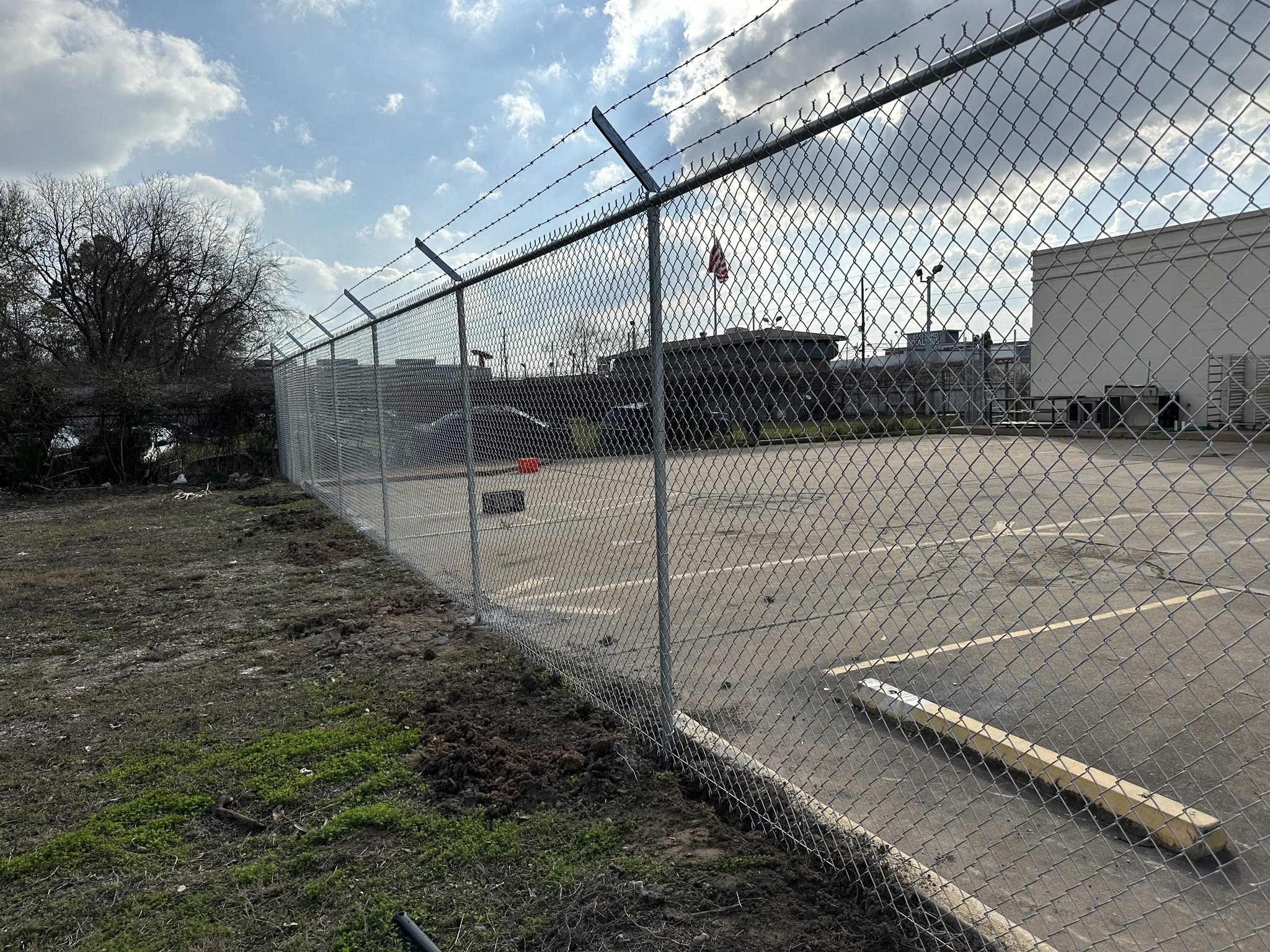
If you have ever stood in the fencing aisle at a home improvement store or scrolled through an online supplier catalog, you know how overwhelming it can be to figure out exactly what chain link fence parts you need. Posts, rails, bands, fabric — it all looks like a jumble of steel until you understand how the system fits together.
After more than twenty years installing and repairing fences across the region, I have seen every kind of confusion when it comes to ordering parts. Homeowners show up with the wrong diameter posts, forget about tension wire entirely, or buy residential-grade hardware for a project that really needs commercial strength.
This guide walks you through every single component of a chain link fence, explains what each piece does, and helps you build a shopping list that actually works for your project. Whether you are tackling a DIY install or just want to understand what a contractor is quoting, you will have the knowledge you need by the end of this post.
Understanding the Chain Link Fence System
A chain link fence is really an engineered system where every part plays a specific role. The posts provide the structure, the fabric creates the barrier, and all those bands, ties, and wires hold everything together under tension.
The beauty of chain link is that it is modular. You can replace one damaged section without tearing down the whole fence. But that also means you need to get the parts right, because mixing incompatible sizes or grades leads to a fence that sags, leans, or fails early.
Terminal Posts, Line Posts, and Corner Posts
Posts are the backbone of your fence. You will work with three main types, and each has a different job.
Terminal Posts
Terminal posts go at the ends of each fence run and at every gate opening. These posts carry the most stress because the fabric pulls against them when tensioned. For a residential four-foot fence, terminal posts are typically two and three-eighths inches in outside diameter. For taller or commercial fencing, you may use two and seven-eighths-inch or even larger posts.
Terminal posts get set deeper than line posts — usually thirty to thirty-six inches deep in concrete — to resist the pulling force. Each terminal post needs a post cap on top to keep rain out of the hollow tube.
Corner Posts
Corner posts are really just terminal posts placed where the fence changes direction. They get the same diameter and depth as your other terminal posts, but they take tension from two directions, so proper bracing is critical.
Line Posts
Line posts run between terminal posts and simply hold the fabric upright. Because they do not carry tension loads, they can be smaller in diameter — often one and five-eighths inches or one and seven-eighths inches for residential work. Line posts are spaced eight to ten feet apart depending on your fence height and local wind conditions.
Line posts are usually set about twenty-four to thirty inches deep. They also get post caps to prevent rust from forming inside the tube.
Top Rail
The top rail is the horizontal pipe that runs along the top of the fence from terminal post to terminal post. It threads through the top of the chain link fabric and gives the fence rigidity.
For most residential fences up to six feet tall, you will use a one-and-three-eighths-inch top rail. Commercial installations often use one and five-eighths-inch or one and seven-eighths-inch rail for added strength. The rail comes in standard lengths — usually ten or twenty-one feet — and you connect sections together with rail-end cups or sleeves.
The top rail sits in brace bands at the terminal posts and rests in loop caps at each line post. Without a top rail, your fence fabric would stretch and sag over time. It is one of those parts people think about skipping to save money, but you will regret it within a year.
Tension Bands and Brace Bands
These are the metal bands that clamp around your terminal posts and hold the fence fabric in place.
Tension Bands
Tension bands wrap around a terminal post and have a flat section with a hole where a tension bar slides through. You use one tension band for every twelve to eighteen inches of fence height, so a four-foot fence typically gets three tension bands per terminal post, and a six-foot fence gets four or five.
These bands are what actually hold the tension when you stretch the fabric tight. They need to match your post diameter exactly, or they will not clamp securely.
Brace Bands
Brace bands also wrap around terminal posts, but they hold the top rail instead of the fabric. You install one or two brace bands per terminal post, depending on whether you have just a top rail or both a top rail and a bottom rail.
Each brace band has a cupped section where the rail sits, and a bolt that tightens the whole thing down. Like tension bands, brace bands must match your post diameter.
Tension Wire
Tension wire is a strand of smooth wire that runs horizontally along the bottom of the fence, just a few inches off the ground. Some installers skip this, but it makes a huge difference in fence longevity.
Tension wire keeps the bottom of the fabric from lifting or bowing out. It is especially important if you have dogs, because they love to push under a fence that is not anchored at the bottom. We usually use nine-gauge galvanized wire, and we tension it just like the fabric, tying it off at terminal posts.
On taller fences — six feet and up — we sometimes add a mid-rail or additional tension wires at intervals to reduce fabric sway.
Chain Link Fabric (Mesh)
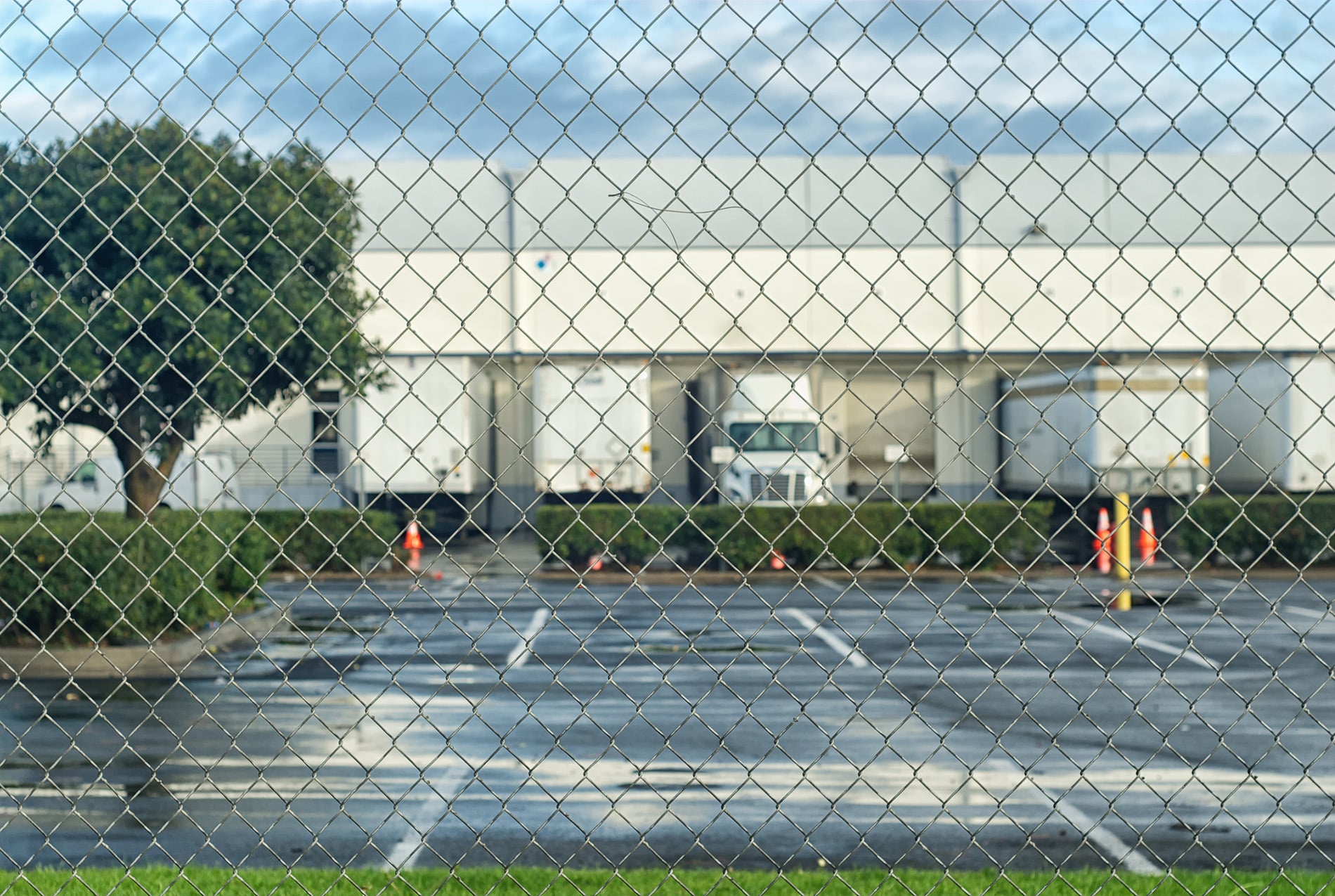
The fabric is what most people think of when they picture a chain link fence. It is woven steel wire formed into that familiar diamond pattern.
Gauge and Mesh Size
Fabric comes in different wire gauges and mesh sizes. For residential use, eleven-gauge or nine-gauge wire is standard. The smaller the gauge number, the thicker the wire — so nine-gauge is stronger than eleven-gauge.
Mesh size refers to the size of the diamond openings. Two-inch mesh is the most common for general use. Smaller mesh sizes — like one-inch — are used around tennis courts or where you need to contain small animals.
Coatings and Finishes
Most chain link fabric is galvanized, meaning the steel is coated with zinc to prevent rust. You can also get vinyl-coated fabric in colors like black, green, or brown if you want a softer look. Vinyl-coated fabric costs more, and the coating can crack over time, but many homeowners prefer the appearance.
Fabric is sold by the roll, and rolls come in standard heights — three feet, four feet, five feet, six feet, and so on. Make sure you order enough linear feet to cover your entire fence line plus a little extra for adjustments.
Tension Bars
Tension bars are flat steel bars that slide vertically through the chain link fabric at terminal posts. Once the bar is woven through, you bolt it to the tension bands on the post.
You need one tension bar at each end of every fence run. The bar distributes the tension load evenly across the fabric height instead of concentrating stress on a few wires. Without tension bars, the fabric would tear or deform at the connection points.
Rail End Cups and Loop Caps
These small parts connect your top rail to your posts.
Rail End Cups
Rail end cups attach to terminal posts and hold the end of the top rail. Each cup bolts to a brace band and has a socket where the rail slides in. If you need to join two sections of top rail in a straight line, you use a sleeve coupling instead of a cup.
Loop Caps
Loop caps go on top of each line post. They have a wire loop sticking up that the top rail passes through. As the rail slides through those loops, the fence stays aligned, and the fabric hangs evenly. Loop caps are inexpensive but essential — do not forget them when you are ordering parts.
Fence Ties
Fence ties are the small aluminum or steel wire ties that attach the chain link fabric to the top rail and to the line posts. You need a lot of them — plan on one tie every twelve to twenty-four inches along the top rail, and one every twelve to eighteen inches down each line post.
We usually use aluminum ties for residential work because they are easy to twist with a fence tool and they do not rust. Steel ties are stronger and better for commercial projects. Some people use hog rings instead of ties, but traditional wire ties give you more adjustment, and they are easier to remove if you ever need to replace a section of fabric.
Post Caps
Every post — terminal, corner, and line — needs a cap on top. Caps keep rain and debris out of the hollow post, which prevents internal rust and extends the life of the fence.
Most caps are dome-shaped and friction-fit or self-tapping. They cost just a few cents each, and they are one of the easiest ways to add years to your fence.
Gate Hardware
If your fence includes a gate, you need a whole additional set of chain link fence parts.
Gate Frames
Pre-built gate frames are usually sold as kits that include the frame tubes, corner fittings, hinges, latch, and fabric already attached. You can buy frames in standard widths — three feet, four feet, five feet, and so on — and match the height to your fence.
For a custom size, you can buy frame tubes and corner brackets separately and build your own frame. Just make sure the frame tube diameter is compatible with your hinge and latch hardware.
Hinges
Gate hinges for chain link come in different styles. Bolt-on hinges are the most common for residential gates. They attach to the gate post with carriage bolts and have a pin that the gate frame pivots on. Heavy-duty gates may use weld-on hinges for extra strength.
Latches
A basic fork latch with a safety catch works for most backyard gates. If you need security, upgrade to a latch that accepts a padlock. Self-closing hinges and spring-loaded latches are great if you have small children or pets and you want the gate to close automatically.
Commercial-Grade vs Residential Parts
One of the most common questions I get is when to use commercial-grade chain link fence parts versus standard residential parts. The short answer is that it depends on the application, the expected wear and tear, and your budget.
Residential Parts
Residential-grade chain link is designed for typical backyard use. Posts are smaller in diameter, fabric is often eleven-gauge, and hardware is lighter. This is perfectly fine for enclosing a yard, creating a dog run, or marking a property line where the fence will not see heavy impact or constant abuse.
Residential parts are more affordable and easier to work with if you are doing the installation yourself. The fence will last fifteen to twenty-five years with basic maintenance in most climates.
Commercial Parts
Commercial-grade fencing uses thicker posts, heavier gauge fabric, and beefier hardware. You would choose commercial parts for a business property, a school, a sports facility, or anywhere security and durability are priorities.
The posts might be two and seven-eighths inches or three and one-half inches in diameter, and the fabric could be nine-gauge or even six-gauge. Tension and brace bands are thicker, and all the hardware is built to handle higher loads and more frequent use.
Commercial fencing costs more upfront, but the return is a fence that can handle impacts, resist tampering, and last thirty years or more.
When to Upgrade
Even on a residential property, there are times when commercial-grade parts make sense. If you live in a high-wind area, if you have large dogs that are hard on fences, or if you are enclosing a pool and need to meet strict safety codes, upgrading to heavier posts and nine-gauge fabric is smart.
You do not have to go all commercial — sometimes we mix, using commercial terminal posts for extra strength but residential line posts and fabric to control costs. Southern Roots Fencing can help you figure out the right balance.
What You Need to Build a Chain Link Fence: Project Checklist
If you are planning a DIY installation or just want to understand what goes into a proper estimate, here is a checklist of chain link fence parts you will need.
- Terminal posts: one for each end of a run and each side of every gate
- Corner posts: one at every direction change
- Line posts: one every eight to ten feet along straight runs
- Post caps: one for every post
- Top rail: enough linear feet to cover your entire fence line, plus couplings or sleeves to join sections
- Tension bands: three to five per terminal post, depending on fence height
- Brace bands: one or two per terminal post, depending on rail configuration
- Tension bars: one per terminal post
- Rail end cups: one per terminal post where top rail terminates
- Loop caps: one for each line post
- Chain link fabric: total linear feet needed, in the correct height and gauge
- Fence ties: plan on several dozen depending on fence length
- Tension wire: optional but recommended, one strand along the bottom of the fence
- Gate frame, hinges, latch, and any self-closing or locking hardware
- Concrete: usually one fifty-pound bag per post, sometimes more for terminal posts
- Bolts and fasteners: these usually come with bands and hardware, but verify before ordering
Measure your property carefully and sketch a simple plan. Count every post location and every gate. Do not guess on quantities, because running short halfway through the job is frustrating and delays your project.
Downloadable Parts List and Installation Guide
To make your planning easier, we put together a detailed chain link fence parts checklist and a basic installation overview. This resource includes a parts diagram, a cut list template, and step-by-step notes on setting posts, stretching fabric, and hanging gates.
You can download the PDF guide from our website under the resources section. If you are tackling a fence project yourself, this guide will save you time and help you avoid the most common mistakes. If you are hiring a contractor, it gives you a clear baseline so you know what to expect in a quote.
Tips for Ordering Chain Link Fence Parts
Once you know what you need, here are a few tips to make ordering smoother.
First, always verify that your posts, bands, and caps are compatible sizes. A two-and-three-eighths-inch post needs two-and-three-eighths-inch bands and caps. Mixing sizes is the fastest way to create problems on install day.
Second, buy a few extra fence ties and a couple of spare post caps. These small parts are easy to drop in the grass or lose during installation, and having extras on hand keeps the job moving.
Third, if you are ordering online, double-check the specifications for galvanized versus vinyl-coated fabric. Some suppliers default to the cheapest option unless you specify. If you want color or a specific coating, confirm it before the order ships.
Finally, do not mix residential and commercial parts unless you know exactly what you are doing. A residential tension band will not hold properly on a commercial-diameter post, and undersized fabric on oversized posts looks bad and performs poorly.
Working with a Professional vs DIY
Chain link is one of the more DIY-friendly fence types, but that does not mean it is easy. Setting posts in a straight line, stretching fabric to the right tension, and making everything level takes experience.
If you have the time, the tools, and a couple of helpers, you can absolutely install your own chain link fence. Just be prepared to rent or buy a post hole digger, a come-along or fence stretcher, and a good level. Give yourself at least a full weekend for a typical residential project.
On the other hand, a professional crew can usually install a standard residential chain link fence in one or two days. You get a warranty, proper tensioning, and the peace of mind that everything is code-compliant. For commercial projects or any fence that needs to meet safety or security regulations, I always recommend hiring a licensed contractor.
Common Mistakes to Avoid
Over the years, I have seen the same chain link fence parts mistakes over and over. Here are the ones that cause the most trouble.
Using line posts where you need terminal posts is a big one. Line posts are not strong enough to handle the tension load, and the fence will lean or fail within months.
Forgetting tension wire is another common mistake. The fence looks fine at first, but after a season or two the bottom of the fabric starts to lift, gaps form, and animals can get under.
Skipping post caps seems minor, but water gets inside the posts, freezes in winter, and causes rust and cracking. Five years down the road, your posts start failing, and you have to replace them.
Not using enough fence ties is also a problem. The fabric sags between ties, looks sloppy, and does not hold up under wind or impact.
Maintenance and Replacement Parts
Chain link fences are low maintenance, but they are not maintenance-free. Every few years, walk your fence line and check for rust spots, loose ties, and damaged fabric.
If a section of fabric gets torn or bent, you can usually cut out the damaged part and splice in a new section using tension bars and ties. Individual posts can be replaced if they rust through at the ground line.
Keep a few spare fence ties and some touch-up paint on hand. When you spot a rust spot starting, wire-brush it clean and hit it with rust-preventive paint. Catching problems early is the key to getting the full lifespan out of your fence.
Final Thoughts on Chain Link Fence Parts
Understanding chain link fence parts might seem overwhelming at first, but once you see how the system fits together, it all makes sense. Every component has a purpose, and when you use the right parts for your project, you end up with a fence that is strong, straight, and built to last.
Whether you are installing a simple backyard fence, upgrading to a commercial-grade security barrier, or just replacing a few damaged sections, knowing what each part does helps you make better decisions and avoid costly mistakes.
If you are ready to move forward with a chain link fence project and you want a professional opinion on the right parts and installation approach for your property, we are here to help. Give us a call or request a quote through our website, and we will walk you through every step from planning to the final walk-around. Good fencing starts with the right parts and the right team, and we have been doing this long enough to get both of those things right every time.