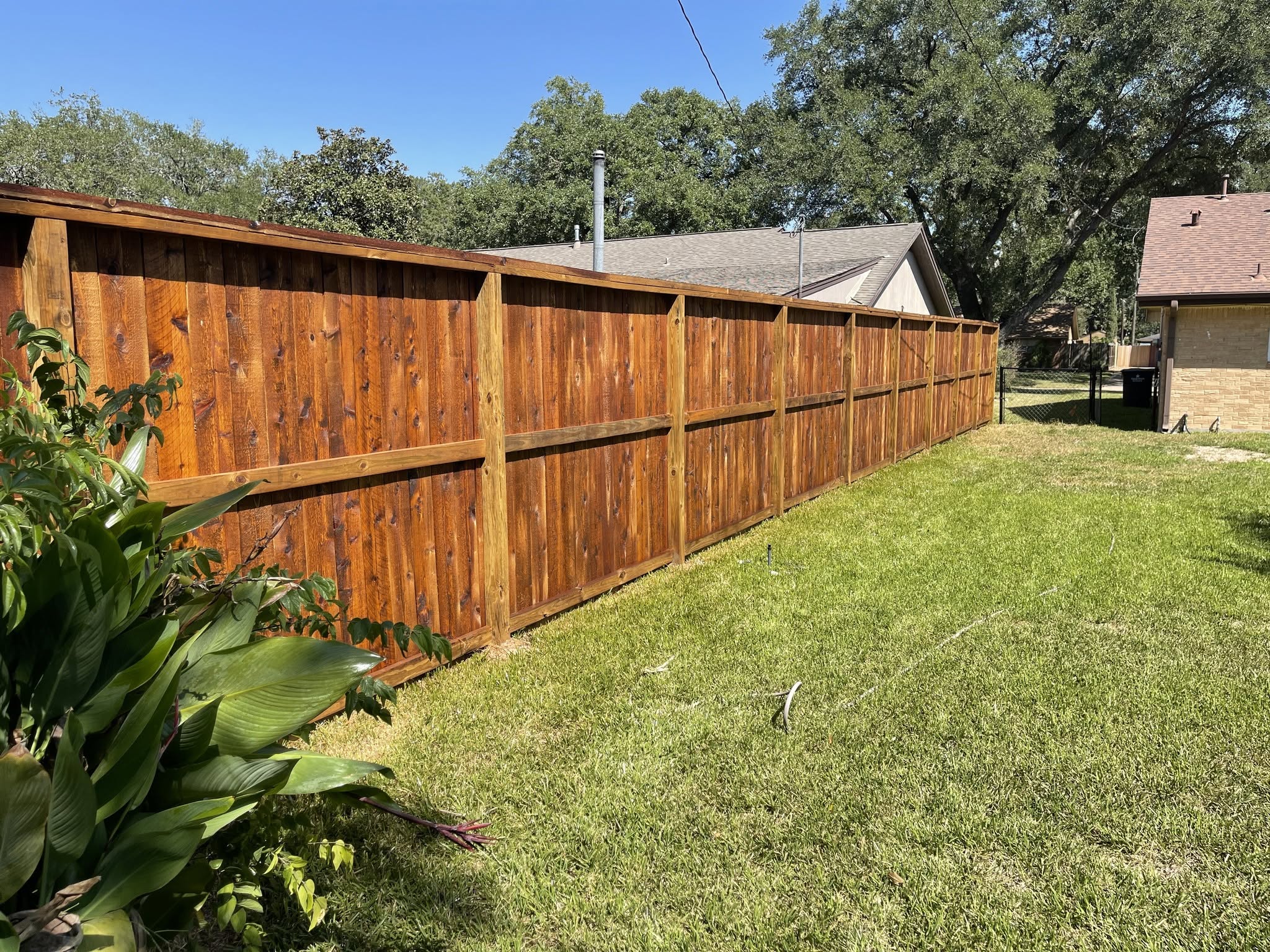
Planning a fence project means figuring out exactly how much lumber, hardware, and concrete you will need before you spend a dime. Whether you are tackling a DIY install or just want to understand what a contractor quote includes, knowing how to calculate fence materials saves you money and prevents mid-project trips to the lumber yard. In this guide, we will walk through post spacing, picket width and spacing, pickets per linear foot, and total material counts for both board-on-board and standard picket fences, complete with worked examples you can follow step by step.
Why Accurate Material Calculations Matter
I have seen homeowners over-order by hundreds of dollars and others run short halfway through a Saturday install. Neither situation is fun. Accurate calculations mean you buy exactly what you need, stay on budget, and finish the job without delays. If you are hiring a pro, understanding these numbers also helps you spot inflated material costs in a quote and have an informed conversation about your project.
Fence material costs add up quickly. Posts, rails, pickets, concrete, and hardware can easily account for half your total budget or more. Knowing the math behind the materials list turns guesswork into confidence.
Understanding Linear Footage and Fence Layout
Before you calculate anything else, measure the total linear footage of your fence line. Walk the perimeter with a long tape measure or a rolling measuring wheel and record each straight section. Add them all together for your total linear feet. Do not forget to account for gates: a four foot gate opening still needs posts on both sides, but you will not install pickets across that span.
Sketch a simple overhead diagram of your property lines and mark each corner and gate location. This visual reference makes the next steps much easier and helps you spot areas where terrain or obstacles might require extra posts or adjustments.
Post Spacing: The Foundation of Your Fence
Fence posts are the backbone of the entire structure. Standard post spacing runs six to eight feet on center, meaning you measure from the center of one post to the center of the next. Most residential wood fence installations use eight foot spacing because it aligns perfectly with standard lumber lengths and provides solid support without unnecessary posts.
For a privacy fence or any fence over five feet tall, I recommend sticking with eight foot spacing. Shorter decorative fences or areas with heavy wind exposure sometimes benefit from tighter spacing at six or seven feet, but eight feet is the industry standard for good reason.
Calculating the Number of Posts
Take your total linear footage and divide by your chosen post spacing, then add one. The formula looks like this:
Number of Posts equals total linear feet divided by post spacing in feet, plus one
For example, if you have one hundred twenty linear feet of fence and you are using eight foot spacing: one hundred twenty divided by eight equals fifteen, plus one equals sixteen posts. That extra post accounts for the end of the run. Every fence section needs a post at the start and the finish.
Do not forget corner posts and gate posts. Each corner needs one post, and each gate needs two posts even if the math above already counted one of them. Add those extras to your total. A typical backyard with four corners and one gate might need three or four additional posts beyond the baseline calculation.
Picket Spacing and Width: The Visual Math
Picket fences have gaps between boards. Privacy fences often do not, or they use a board-on-board design where pickets overlap. The spacing and width of each picket directly control how many boards you need per foot of fence, which drives your total material count and cost.
Standard Picket Fence Spacing
A classic picket fence uses pickets that are typically three and a half inches wide, with gaps of one and a half to two inches between boards. This creates the traditional open look that defines a picket fence. To calculate pickets per foot, add the picket width and the gap width together, then divide twelve inches by that sum.
For example, if you use three and a half inch wide pickets with a two inch gap: three and a half plus two equals five and a half inches per cycle. Twelve divided by five and a half equals about two point one eight pickets per foot. Round up to be safe. That means you need roughly two point two pickets for every linear foot of fence.
Multiply pickets per foot by your total linear footage to get the total picket count. If you have one hundred twenty feet of fence: one hundred twenty times two point two equals two hundred sixty four pickets. Add five to ten percent extra for waste, cuts, and any boards that arrive damaged or warped.
Board-on-Board Privacy Fence Calculations
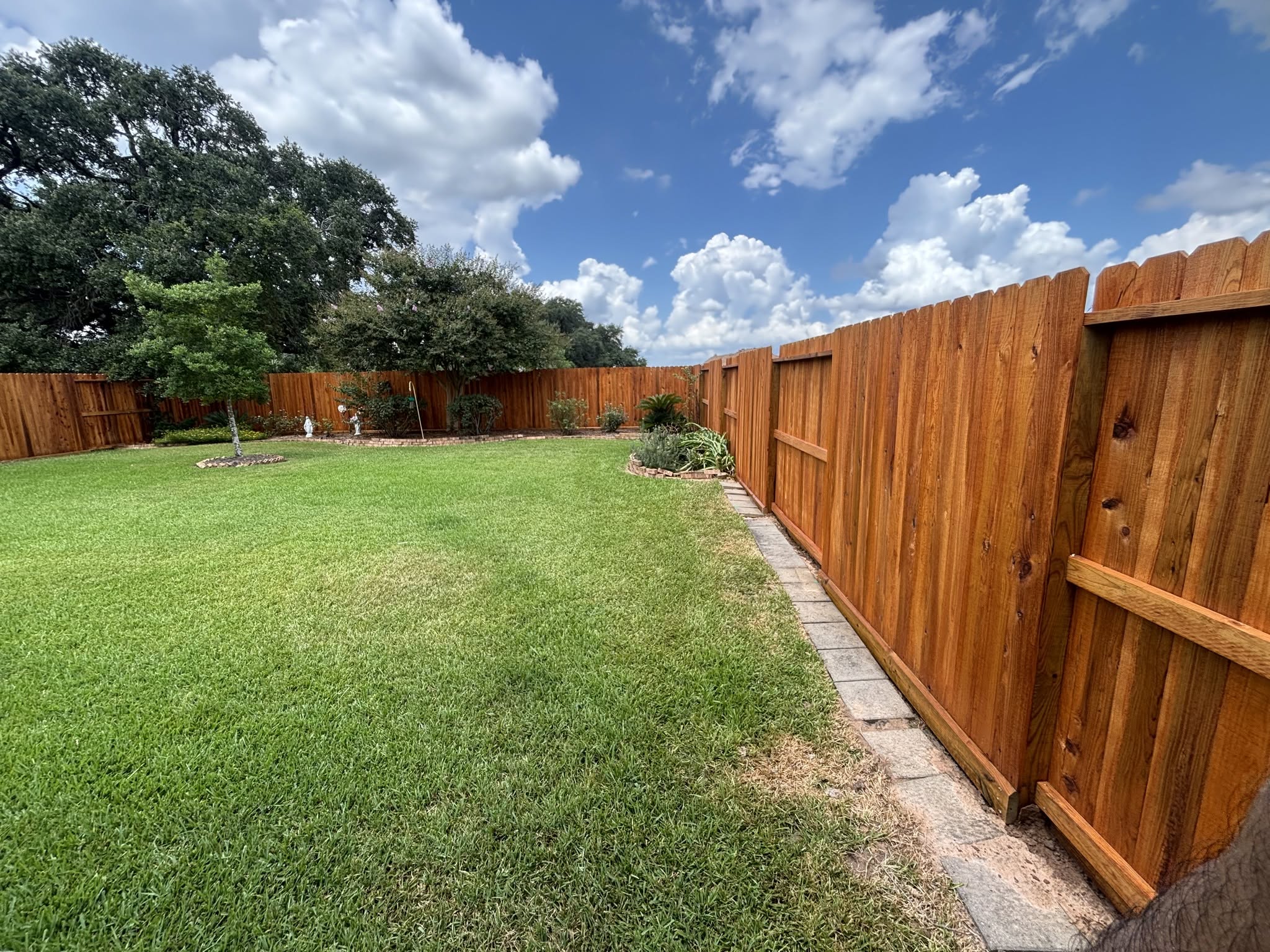
Board-on-board fences overlap pickets on alternating sides of the rail, creating a solid privacy barrier with a finished look on both sides. Each picket typically covers about four to five inches of horizontal space when installed with a one to two inch overlap.
If your pickets are five and a half inches wide and you overlap them by one and a half inches, each board effectively covers four inches of run. Twelve inches divided by four inches equals three pickets per linear foot. For one hundred twenty feet, that is three hundred sixty pickets, plus your waste allowance.
This style uses nearly fifty percent more pickets than a standard picket fence, but the privacy and curb appeal often justify the extra material cost. Make sure your quote or budget reflects this difference if you are comparing fence styles.
Rails, Stringers, and Horizontal Support
Most fences use two or three horizontal rails between posts to support the pickets. A fence up to four feet tall usually needs two rails. Fences from four to six feet generally require three rails for stability, and anything taller benefits from a fourth rail or additional blocking.
Rails typically run the full length of each fence section, so if your posts are eight feet apart, you need eight foot rails. Multiply the number of sections by the number of rails per section, then multiply by the section length to get total rail footage.
For one hundred twenty linear feet with eight foot post spacing, you have fifteen sections. If you are using three rails per section, that is fifteen times three equals forty five rails. Each rail is eight feet long, so you need three hundred sixty linear feet of rail material. Divide by the length of stock lumber you are buying. If you buy two by fours in eight foot lengths, you need forty five boards for the rails.
Concrete and Hardware Essentials
Every post needs concrete for a stable, long-lasting installation. Plan on one fifty pound bag of fast-setting concrete mix per post for a standard four by four post set about two feet deep. Larger posts or deeper holes may need two bags each.
Hardware includes galvanized or stainless screws, nails, hinges for gates, and post caps if desired. Budget roughly fifteen to twenty dollars per section for quality exterior screws. Cheap hardware rusts out in two years, so do not cut corners here.
Worked Example: Standard Picket Fence
Let us walk through a complete example. You want a four foot tall picket fence around your front yard. You measured one hundred fifty linear feet total, and you plan to install one four foot gate. You will use eight foot post spacing, three and a half inch wide pickets with a two inch gap, and two horizontal rails per section.
Step One: Calculate Posts
One hundred fifty feet divided by eight feet equals eighteen point seven five. Round up to nineteen posts, then add one for the end, giving you twenty posts. Add two more for the gate opening, bringing the total to twenty two posts.
Step Two: Calculate Pickets
Three and a half inches plus two inches equals five and a half inches per picket cycle. Twelve divided by five and a half equals two point one eight pickets per foot. One hundred fifty feet times two point one eight equals three hundred twenty seven pickets. Subtract four feet for the gate opening: four times two point one eight equals eight point seven two, so subtract nine pickets. That gives three hundred eighteen pickets, then add eight percent for waste, bringing you to three hundred forty three pickets.
Step Three: Calculate Rails
You have roughly eighteen full sections at eight feet each, minus the gate. Call it seventeen sections. Two rails per section equals thirty four rails at eight feet each. Buy thirty four eight foot two by fours for the rails.
Step Four: Concrete and Hardware
Twenty two posts times one bag of concrete each equals twenty two fifty pound bags. Budget about twenty five dollars for gate hinges and latch hardware, plus one hundred fifty dollars for screws and post caps.
Worked Example: Board-on-Board Privacy Fence
Now imagine a six foot tall privacy fence using board-on-board construction. Same one hundred fifty linear feet with one gate, but this time pickets are five and a half inches wide with a one and a half inch overlap, giving four inches of coverage per picket. You will use three rails per section because of the taller height.
Step One: Calculate Posts
Same as before: twenty two posts total including gate posts and corners.
Step Two: Calculate Pickets
Twelve inches divided by four inches of coverage equals three pickets per linear foot. One hundred fifty feet times three equals four hundred fifty pickets, minus the four foot gate opening which is four times three equals twelve pickets, leaving four hundred thirty eight. Add eight percent waste, giving you four hundred seventy three pickets.
Step Three: Calculate Rails
Seventeen sections times three rails equals fifty one rails at eight feet each. Buy fifty one eight foot two by fours.
Step Four: Concrete and Hardware
Still twenty two bags of concrete. Screws, gate hardware, and post caps will run closer to two hundred dollars because of the taller fence and extra rails.
Downloadable Fence Material Worksheet
To make these calculations even easier, I recommend creating a simple spreadsheet or using a printable worksheet. Set up columns for total linear feet, post spacing, picket width, gap or overlap, number of rails, and let the formulas do the math. Plug in your measurements and instantly see your material list.
You can build this in any spreadsheet program. Start with a cell for total linear footage, another for post spacing, and a formula cell that divides the first by the second and adds one. Repeat the process for pickets per foot and rail counts. Save the file and reuse it for every fence project.
If you are not comfortable with spreadsheets, sketch a simple table on paper with your project numbers and work through each formula by hand. Double-check your math before you head to the lumber yard, and bring the worksheet with you so you can verify quantities as you load your cart.
Common Mistakes and How to Avoid Them
The biggest mistake I see is forgetting to add one to the post count. If you have one hundred feet of fence at ten foot spacing, that is ten sections but eleven posts. Miss that extra post and your fence ends four feet short of the property line.
Another common error is confusing picket width with picket spacing. A three and a half inch picket is not the same as three and a half inches of coverage. Always add the gap or subtract the overlap to find the true coverage per board.
Do not round down on materials. Lumber is not perfectly straight and cuts are not always perfectly square. You will have waste. Always round up and add five to ten percent extra, especially on pickets. Running out of materials on Sunday afternoon when the lumberyard is closed ruins your whole weekend.
Adjusting for Terrain and Obstacles
Slopes, trees, and underground utilities can throw off your calculations. A fence that follows a slope may need longer pickets on the downhill side or a stepped design that uses more posts and shorter sections. Budget an extra ten percent on materials if your property has significant grade changes.
Obstacles like large trees or utility boxes may require you to shorten a section or add an extra post. Walk the fence line carefully and note anything that will interrupt the standard eight foot spacing. Adjust your post count and rail lengths accordingly.
Comparing Quotes with Your Own Calculations
Once you know how to calculate materials yourself, you can review a contractor quote with confidence. If a quote lists sixty posts for a two hundred foot fence with eight foot spacing, you know something is wrong. The math says you need twenty six or twenty seven posts, not sixty.
Ask the contractor to walk you through their material list. A good contractor will explain every line item and show you how they arrived at each number. If they get defensive or cannot explain the math, that is a red flag. Transparency builds trust, and trust is everything in this business.
Factoring in Gates and Special Features
Gates require extra planning. A single gate needs two posts, a frame built from two by fours, hinges, a latch, and a diagonal brace for stability. Subtract the gate width from your total linear footage when calculating pickets, but make sure you add those pickets back in to build the gate itself.
A four foot gate uses the same picket spacing as the rest of your fence. Calculate pickets for the gate width and add them to your total. You will also need one or two additional eight foot two by fours for the gate frame, plus hardware that can run thirty to fifty dollars depending on quality.
When to Call a Professional
Calculating materials is one thing. Installing a fence that stays straight, plumb, and level for twenty years is another. If your project involves slopes, rocky soil, property line disputes, or HOA regulations, a professional can save you time, money, and frustration.
We handle fence projects of all sizes across the region, and we are happy to walk you through a free quote that breaks down every material and labor cost. Even if you decide to DIY, understanding the numbers helps you appreciate the value a professional brings to the table.
Final Checklist Before You Buy
Before you head to the lumberyard, double-check this list. Confirm your total linear footage by measuring twice. Verify your post count using the formula and add extras for corners and gates. Calculate pickets per foot based on actual width and spacing, then multiply by linear footage and add waste. Count your rail sections and multiply by rails per section. Add up concrete bags, one per post, and budget for quality hardware.
Write everything down and bring the list with you. Compare your list against what the lumberyard pulls, and do not leave until the counts match. Taking thirty extra minutes to verify materials at the store saves you hours of headache later.
Wrapping Up Your Fence Material Calculations
Knowing how to use a fence material calculator and run the numbers yourself puts you in control of your project from start to finish. Whether you are building a simple picket fence or a full privacy install, the same basic formulas apply: divide linear feet by post spacing and add one, calculate coverage per picket and multiply by total footage, and count rails based on section count and fence height. Add your concrete, hardware, and a waste allowance, and you have a complete material list.
These calculations are not complicated once you walk through them step by step, and they can save you hundreds of dollars in over-ordering or multiple trips to the store. If you want a second opinion on your numbers or a professional quote that includes materials and labor, give us a call. We have been building fences in this area for over twenty years, and we are always happy to help a homeowner get their project off on the right foot.