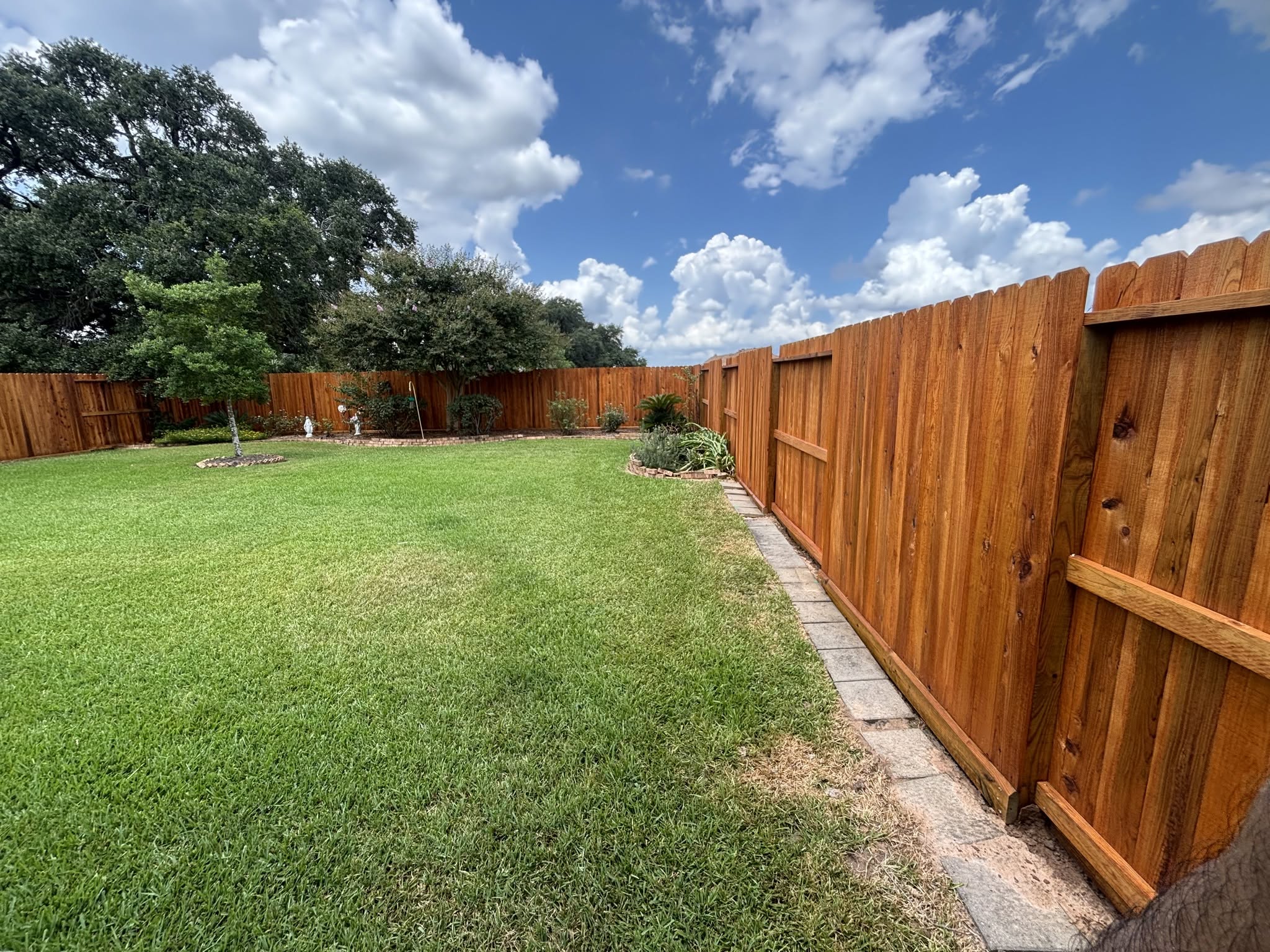
If you are planning a new fence around your property, one of the first questions that comes up is how tall a fence can be. The short answer for most residential yards in Texas is that backyard and side-yard fences typically max out at six feet, while front-yard fences are usually limited to three or four feet. Those numbers give you a starting point, but the real story depends on your city code, your homeowner association rules, the type of fence you are building, and exactly where on your lot the fence sits.
I have been building fences in the Houston and Katy areas for more than two decades, and I can tell you that height limits trip up homeowners more than almost any other rule. You might assume a taller fence means more privacy, and you would be right, but if you go too tall without checking local ordinances, you can end up with a code violation, a stop-work order, or a letter from your HOA asking you to tear the whole thing down and start over. Nobody wants that headache, so let us walk through the rules, the reasons behind them, and how to make sure your fence project goes smoothly from day one.
Standard Residential Fence Heights in Texas
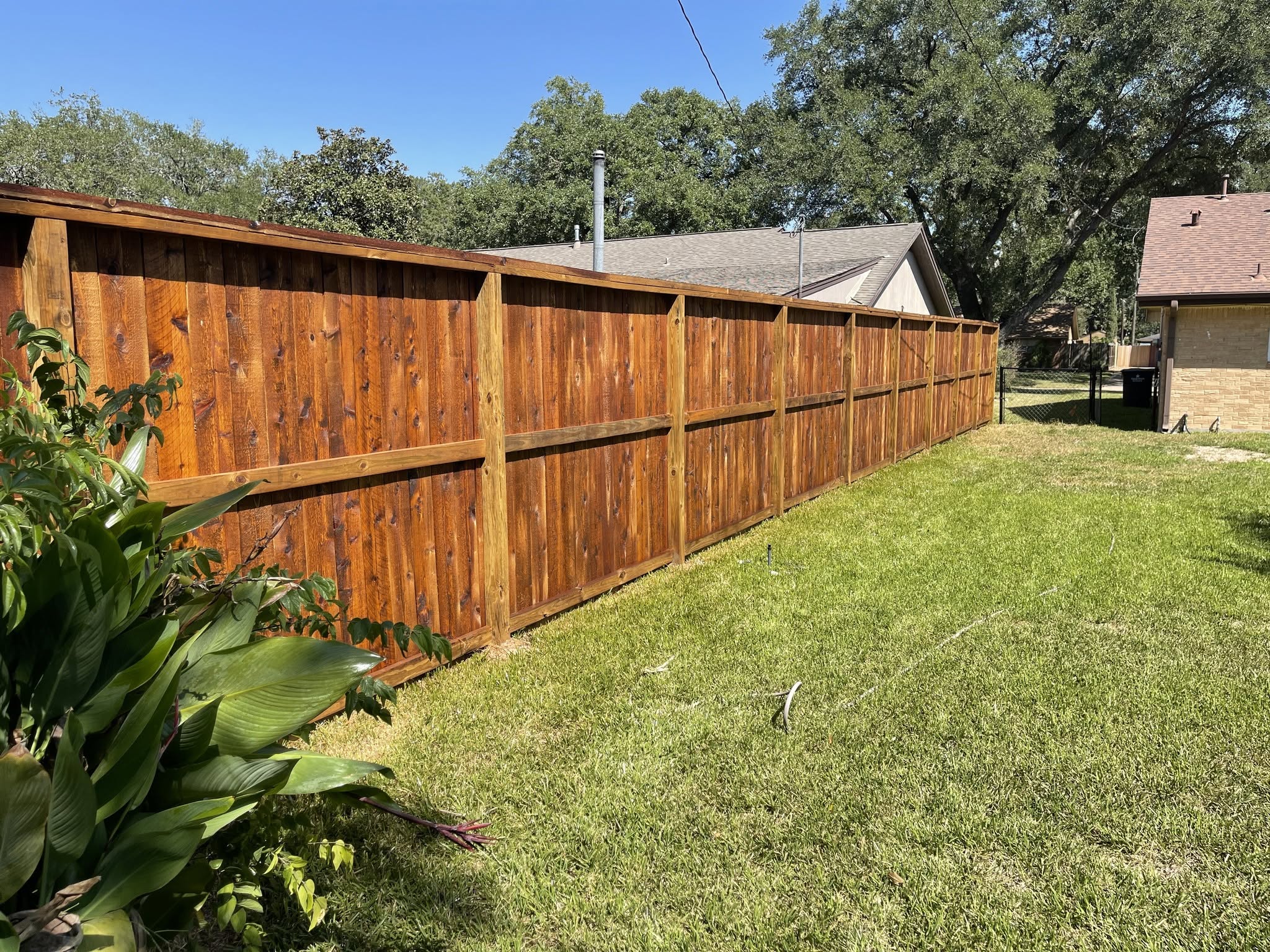
Across most cities and counties in Texas, the standard maximum height for a backyard or side-yard fence is six feet when measured from ground level on the outside of the property. For a privacy fence that gives you solid screening from neighbors and the street, six feet is usually tall enough to block sightlines without feeling like you built a fortress. Front-yard fences, on the other hand, are almost always capped at three to four feet. The reason is simple: cities want to preserve open sightlines for drivers and pedestrians, and they do not want every front yard walled off like a compound.
These height limits are not arbitrary. They balance your need for privacy and security with the community interest in keeping neighborhoods visually open and safe. A four-foot picket fence in the front yard frames your home without blocking the view, while a six-foot board-on-board or horizontal cedar fence in the back gives you a true private oasis where you can relax without feeling like you are on display.
Quick-Reference Fence Height Table
Here is a simple table that shows typical maximum fence heights for common locations on a residential lot. Keep in mind these are general guidelines; always confirm with your city and HOA before you dig the first post hole.
- Backyard and Side Yard: Six feet maximum
- Front Yard: Three to four feet maximum
- Corner Lot Front Yard (street-facing side): Three to four feet maximum
- Corner Lot Side Yard (non-street-facing): Six feet maximum after required setback
- Pool Fence: Four feet minimum, six feet maximum in most codes
This table gives you a snapshot, but every city has quirks. Some places measure height from the higher side of a slope, others from the lower side. Some allow decorative post caps or lattice panels above the six-foot mark as long as the solid portion stays under the limit. The only way to be certain is to pull up your local fence ordinance or talk to your city planning department.
How City Codes and Permits Shape Fence Height
In the Houston metro area, including Katy, Sugar Land, Cypress, and surrounding communities, most cities publish fence ordinances online. These documents spell out maximum heights, setback requirements, and whether you need a permit before you start building. Some cities require a permit for any fence over a certain height, others only if the fence is in a front yard or near a property line, and a few do not require permits at all for typical residential fences. That last scenario is rare, but it exists.
When a permit is required, the city will review your site plan to make sure the fence meets setback rules. A setback is the minimum distance your fence must sit back from the property line, the street curb, or a utility easement. Common setbacks range from zero to five feet, and they exist to keep fences from blocking sidewalks, interfering with underground utilities, or creating blind corners at intersections. If you skip the permit process and build anyway, you risk having to move or remove the fence later, and that costs a lot more than doing it right the first time.
In Houston proper, for example, fences in the backyard and side yard are generally allowed up to six feet without a permit, as long as they sit at least two feet inside your property line and do not block any easements. Front-yard fences are capped at four feet and usually require a permit if they are solid. In Katy, the rules are similar, but the permit requirements can vary depending on whether you are inside city limits or in the extraterritorial jurisdiction. The takeaway is this: call your local permitting office or visit their website before you buy materials or hire a contractor. A five-minute phone call can save you thousands of dollars in rework.
Homeowner Association Rules and Fence Height
If you live in a neighborhood with a homeowner association, the HOA rules often override or add to city code. Your HOA may limit fence height to five feet instead of six, or require a specific style, color, or material. Some HOAs ban front-yard fences altogether, while others allow them but only if they are open picket or ornamental iron. The most common complaint I hear from homeowners is that they got approval from the city but forgot to check with the HOA, and then they received a violation letter after the fence was already up.
Before you lift a shovel, request a copy of your HOA covenants and restrictions, sometimes called CC&Rs, and look for the section on fences. Many HOAs also require you to submit a formal application with a site plan, photos or drawings of the proposed fence, and sometimes even a signature from your immediate neighbors. The review process can take a few weeks, so plan accordingly. If your HOA says no to your original design, ask what changes would make it acceptable. Often a small tweak like switching from solid panels to spaced pickets or lowering the height by six inches is all it takes to get approval.
Corner Lots and Front Yard Definitions
Corner lots create a special wrinkle in fence height rules. On a standard interior lot, the front yard is obvious: it is the side facing the street. But on a corner lot, you have two street-facing sides, and cities often treat both of them as front yards for the purpose of fence regulations. That means you may be limited to a three- or four-foot fence along both streets, even if one of those sides feels more like a side yard to you.
The good news is that once you get past the required setback or the corner sight-triangle area, many cities let you step up to a six-foot fence. The corner sight triangle is a wedge-shaped zone at the intersection where the city wants to keep sightlines clear for drivers. Inside that triangle, you cannot have a solid fence taller than about thirty inches, and sometimes not at all. Outside the triangle, you can usually go higher, but you still have to respect the front-yard height limit along the street frontage.
If you own a corner lot and want maximum privacy, work with an experienced fence contractor who understands how to map out the setbacks and design a layout that gives you as much six-foot screening as the code allows. Often we can run the tall fence parallel to the side property line and then step down to a shorter decorative section as we approach the street corner. It is not quite as simple as a standard backyard install, but it is doable, and it looks sharp when done right.
Fence Height by Material and Style
Different fence types naturally lend themselves to different heights, and some materials handle height better than others. A wood fence made of cedar or pressure-treated pine is the most common choice for six-foot privacy fences in Texas. The boards are strong, the posts are easy to set, and the material weathers beautifully if you maintain it. Cedar in particular resists rot and insects, which matters in our humid climate.
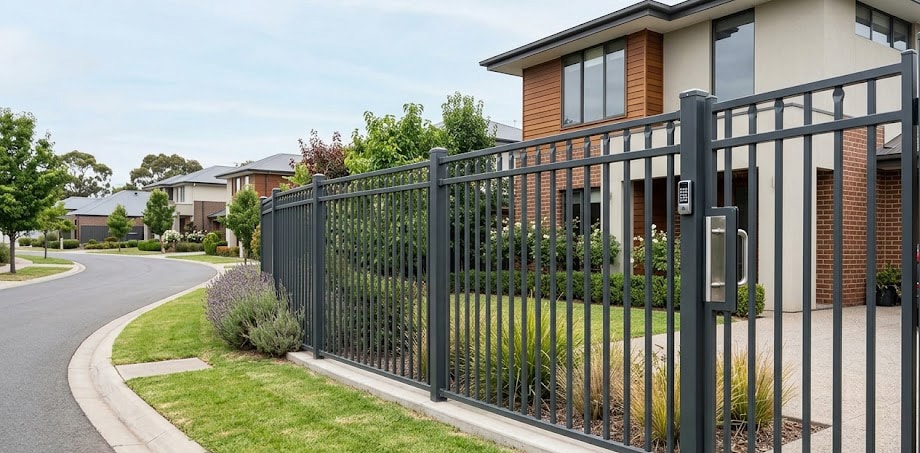
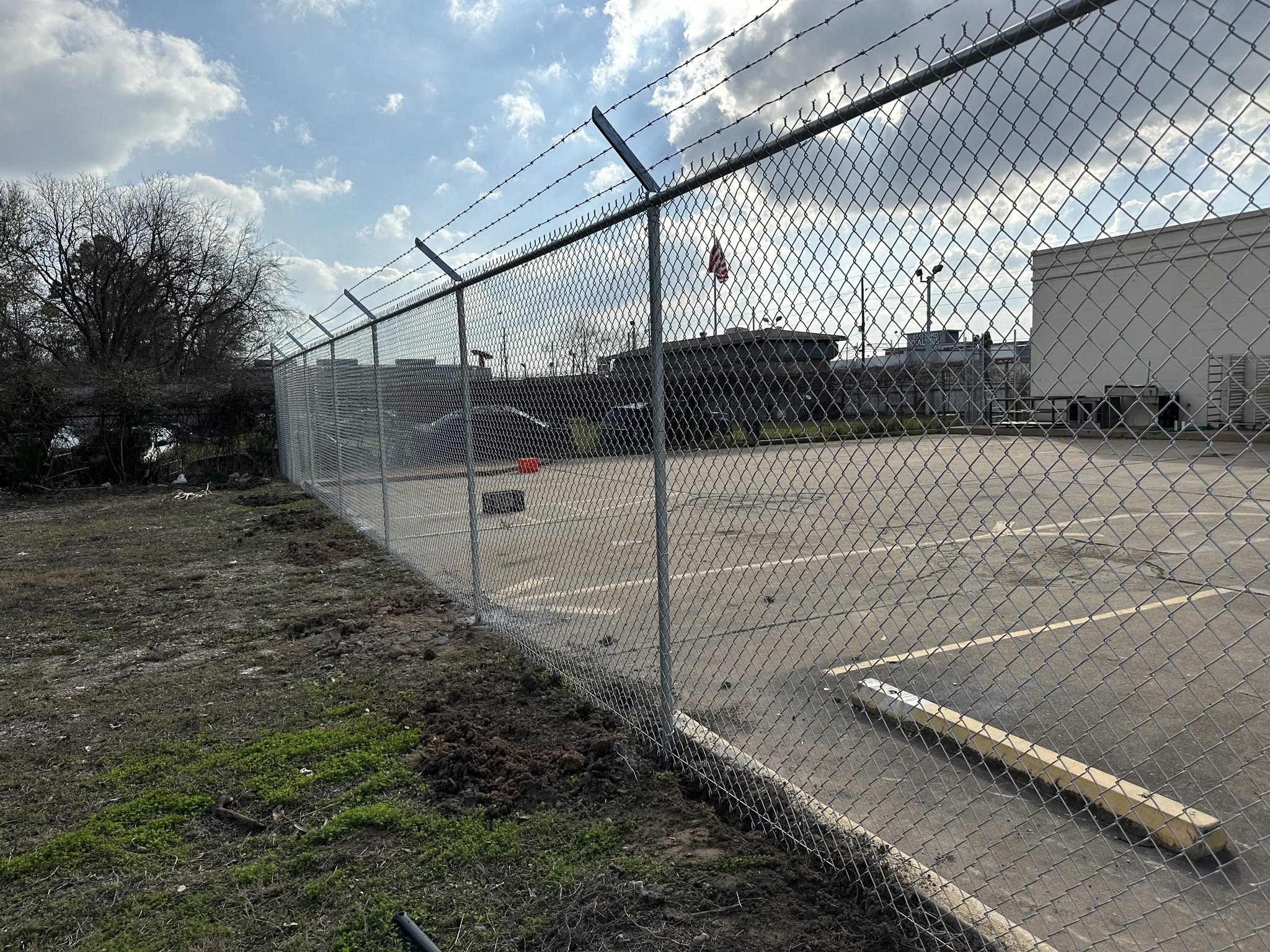
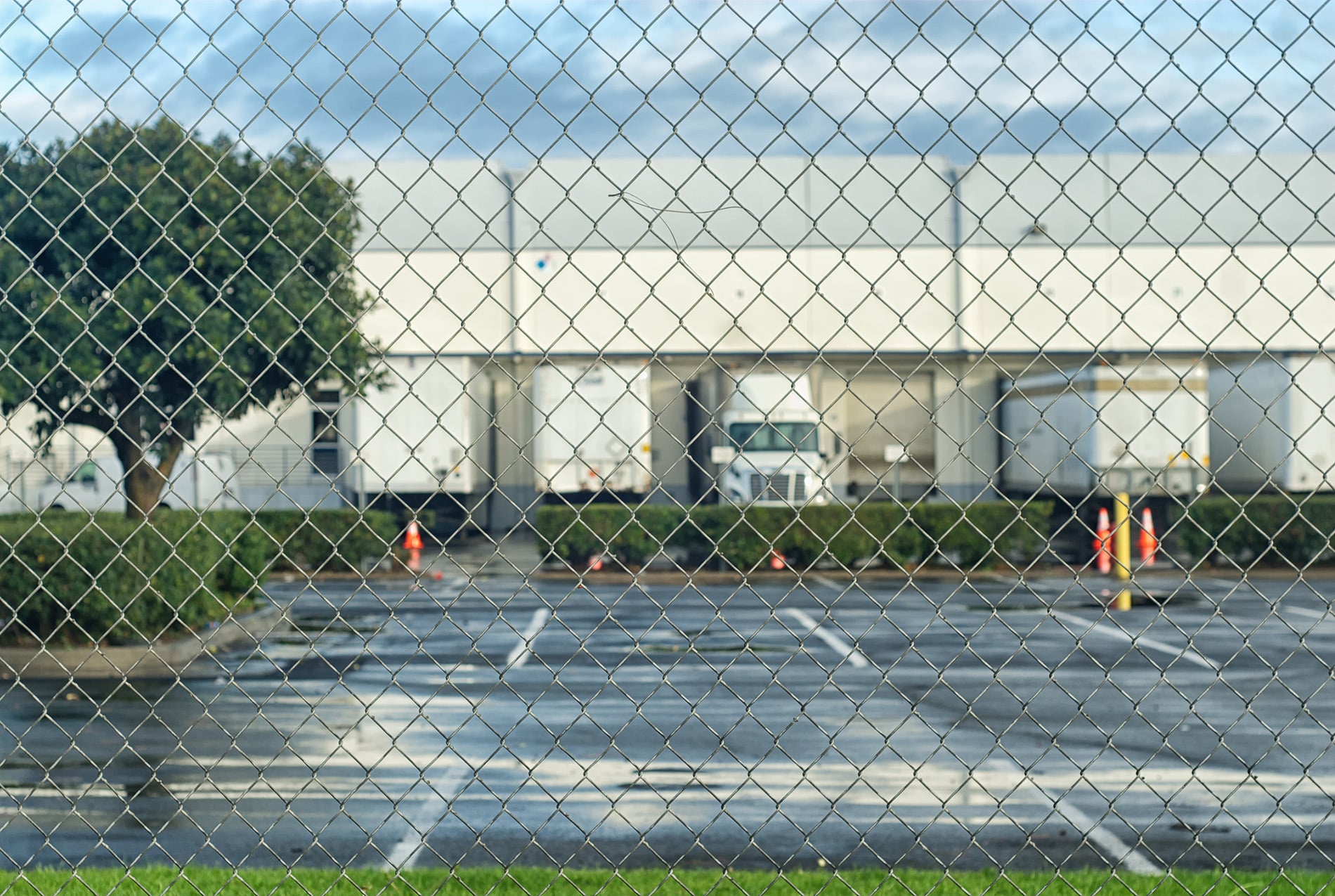
Chain-link and ornamental iron fences are often used in front yards because they provide security without blocking views, and they naturally stay under the four-foot height limit. If you want a taller chain-link fence in the backyard, say for a dog run or a pool enclosure, you can go up to six feet or even eight feet in some areas, but again, you have to check local codes. Vinyl and composite fences are growing in popularity because they require almost no maintenance, and they are available in the same height ranges as wood.
Horizontal board fences and modern slatted designs are trending right now, and they look fantastic at six feet. The horizontal lines make the fence feel less imposing than a traditional vertical board-on-board, and you get the same privacy and security. Just make sure your HOA allows that style, because some associations have strict rules about fence orientation and board spacing.
Pool Fences and Safety Height Requirements
If you are installing a fence around a swimming pool, Texas law and most city codes require a minimum height of four feet, measured from the outside ground level, and the fence must be non-climbable with self-closing, self-latching gates. Many homeowners choose to go with a six-foot fence around the entire backyard, which automatically encloses the pool and gives you extra privacy. That approach kills two birds with one stone and usually costs less than building a separate four-foot pool barrier inside a larger yard.
Pool fence height rules are stricter than general fence rules because they are about child safety, and code enforcement takes them seriously. If you are selling your home, the buyer’s inspector will check that your pool fence meets code, and if it does not, you may have to upgrade it before closing. Better to do it right from the start.
Who Owns the Fence Between Two Houses
This question comes up on almost every estimate. When a fence sits on or very near the property line, homeowners naturally wonder who owns the fence between houses and who is responsible for maintenance or repairs. In Texas, the law says that if a fence sits directly on the boundary line, it is presumed to be jointly owned unless you have a written agreement or a survey that says otherwise. That means both neighbors share the cost of building it and both are responsible for upkeep.
In practice, though, most fences are built a few inches or a few feet inside one property line, and in that case the fence belongs entirely to the property owner on whose land it sits. The neighbor has no legal claim to it and no obligation to pay for it, but they also cannot remove it, alter it, or attach anything to it without permission. If you want to avoid confusion down the road, build your fence at least six inches inside your property line and get a survey before you start if there is any doubt about where the line actually runs.
If you and your neighbor agree to share a fence, put the agreement in writing. Spell out who pays what, what happens if one of you wants to change the fence later, and how you will handle repairs. A simple one-page letter signed by both parties can prevent a lot of headaches. I have seen neighbors go from friendly to feuding over a shared fence that failed after ten years, with each side claiming the other should pay for the replacement. Do not let that be you.
Property Line Surveys and Setbacks
A professional survey is the only way to know for certain where your property line sits. Old fence lines, driveway edges, and even the neighbor’s landscaping are not reliable markers. If you are building a new fence and you want it on or near the line, spend the money to hire a surveyor. They will mark the boundary with stakes or flags, and you can use those markers to set your posts accurately. Most surveyors charge a few hundred dollars for a standard residential lot, and that small investment protects you from building on your neighbor’s land by mistake.
Setback rules come into play when your city requires the fence to sit a certain distance inside the property line. A two-foot setback, for example, means your fence must be at least two feet away from the boundary. These rules exist to leave room for maintenance access, to keep fences off utility easements, and to reduce disputes with neighbors. Always factor in the setback when you plan your layout, because a fence that is six inches over the line or six inches into an easement can trigger a violation notice.
Front Yard Fencing and Curb Appeal
Front-yard fences serve a different purpose than backyard privacy fences. A three- or four-foot picket fence, ornamental iron fence, or rail fence in the front yard adds curb appeal, defines your property boundary, and keeps kids and pets from running into the street, all without making your home look closed off. Many homeowners worry that a front fence will hurt resale value, but the opposite is often true if the fence is attractive, well-maintained, and in keeping with the neighborhood character.
In historic or traditional neighborhoods, a classic white picket fence or a wrought-iron fence with decorative finials fits right in. In more modern subdivisions, a horizontal slat fence or a contemporary metal design can make a bold statement. Just remember that front-yard fences are highly visible, and they reflect on your home and the whole block. Choose a style and height that complements your house and respects your neighbors’ views.
If you live on a busy street, you might be tempted to build a taller front fence for noise reduction and privacy, but most cities will not allow it. The best workaround is to use landscaping in combination with a shorter fence. A four-foot fence backed by a hedge or a row of ornamental grasses can give you quite a bit of privacy while staying within code. Talk to a landscape designer or a fencing contractor who understands how to layer plantings and hardscape for maximum effect.
Special Situations and Variances
Sometimes the standard height limits do not work for your situation. Maybe your lot has a steep slope and a six-foot fence on the low side would look like an eight-foot fence from the street. Maybe you live next to a commercial property, and you need extra screening. Or maybe your neighbor built a second-story deck that looks straight down into your yard, and a standard fence does not give you any privacy at all. In cases like these, you can apply for a variance or a special exception from your city.
A variance is a formal request to deviate from the code, and it usually requires a public hearing where you present your case and your neighbors have a chance to comment. The city will approve a variance only if you can show that the standard rule creates an unusual hardship and that granting the variance will not harm the neighborhood. It is not a sure thing, but it is worth pursuing if you have a legitimate need. Expect the process to take a few weeks or even a few months, and be prepared to submit detailed drawings, photos, and a written explanation.
Another option is to use a combination of fence heights. For example, you could build a six-foot solid section in the most visible area and step down to a four-foot section near the street. Or you could add lattice panels or decorative toppers above the six-foot mark, as long as your city code allows it. Some codes permit open or semi-open material above the solid height limit, which gives you a little extra screening without violating the rule. Check with your city to see what flexibility exists, and work with a contractor who knows how to design creative solutions that stay within the law.
Working with a Professional Fence Contractor
Navigating fence height rules, permit applications, HOA approvals, and property-line surveys can feel overwhelming, especially if this is your first fence project. That is where an experienced fence contractor adds value. A good contractor knows the local codes, has relationships with city inspectors and HOA boards, and can spot potential problems before they become costly mistakes. We handle permit applications, coordinate surveys if needed, and design layouts that maximize your privacy and curb appeal while staying fully compliant.
When you call a contractor for a quote, ask how they handle code compliance and permitting. A professional will walk your property, measure setbacks, review your HOA rules, and explain what height and style options are allowed. If a permit is required, we pull it for you and schedule the required inspections. If your city or HOA has questions, we answer them. You should never feel like you are guessing or taking a risk with your fence project, and the right contractor makes sure you do not have to.
Look for a contractor who is licensed, insured, and local. A local company, like Southern Roots Fencing, understands the specific quirks of your city code and can respond quickly if an issue comes up during installation. Check online reviews, ask for references, and make sure the contractor provides a written contract that spells out the fence height, materials, timeline, and total cost. A professional will stand behind their work with a warranty, and they will build your fence right the first time so you can enjoy it for years without worrying about code violations or neighbor disputes.
Frequently Overlooked Fence Height Details
Before we wrap up, let me mention a few details that homeowners often overlook. First, fence height is almost always measured from the ground on the outside of the fence, not the inside. If your yard slopes, that can make a big difference. A six-foot fence on level ground is legal, but if your yard is a foot higher than your neighbor’s yard, that same fence might measure seven feet from their side and violate the code. We account for slope when we design the layout and set the posts, so the finished fence meets the height limit from every angle.
Second, gates count. If you install a solid six-foot gate, it has to meet the same height rules as the rest of the fence. Some homeowners think they can sneak in a taller gate for extra privacy, but code enforcement sees that as a fence section, not a gate, and you will get cited if it is over the limit. If you need a taller gate for clearance, say for a large trailer or equipment, ask your city if a variance or a special gate design is allowed.
Third, decorative elements like post caps and finials sometimes add height that pushes you over the limit. A six-foot fence with eight-inch post caps becomes a six-foot-eight fence, and in some cities that is a violation. Most codes allow minimal decorative toppers, but if you are planning something elaborate like an arched arbor over a gate, check with your city first. We can design beautiful details that stay within the rules, but only if we know what the rules are.
Final Thoughts on Fence Height in Texas
So how tall can a fence be? For most Texas homeowners, the answer is six feet in the backyard and side yard, and three to four feet in the front yard. But the real answer depends on your city code, your HOA covenants, your lot layout, and the purpose of your fence. The key is to do your homework before you build. Pull your local ordinance, read your HOA rules, get a survey if you are unsure of your property line, and work with a contractor who knows the local regulations inside and out.
A fence is a long-term investment in your home, your privacy, and your quality of life. When you build it the right way, at the right height, with the right materials, it adds value and beauty that you will enjoy every single day. When you cut corners or ignore the rules, you end up with stress, expense, and a fence that might have to come down. I have built hundreds of fences in the Houston and Katy areas, and I can tell you from experience that the best projects start with a solid plan, clear communication, and a commitment to doing things right.
If you are ready to start your fence project and you want to make sure you get the height and the details right the first time, give us a call. We will walk your property, answer your questions, explain your options, and provide a detailed written quote with no pressure and no surprises. Your backyard should be a place where you feel comfortable, private, and proud, and a properly designed fence makes all the difference.